
With a growing concern about climate change and environmental pollution, NewGen Surgical made it their mission, and their business, to redesign single-use plastic medical devices. After years of working with nurses, O.R. staff and physicians in the operating room the company could see this concern was one they all shared.
NewGen Surgical’s mission is to help customers deliver quality and cost effective care while at the same time preserving and protecting the foundation of all health – a healthy environment. NewGen Surgical does this by offering products that are more sustainable and that will reduce energy, non-renewable resource use and plastic pollution.
How do your products or solutions help customers improve productivity in their day-to-day operations?
At NewGen Surgical, we believe the most effective innovations are those that improve operations without adding complexity. Healthcare is an industry where efficiency, patient safety, and reliability are non-negotiable. Our mission has been to demonstrate that sustainability can strengthen these priorities rather than compete with them.
Our plant- and bio-based surgical products are engineered to replace traditional petroleum-based plastics while preserving the performance and convenience healthcare professionals expect. An important distinction is the operational advantage of sustainable single-use products compared with reusable alternatives. Reusable products require cleaning, disinfection or sterilization, inspection, and additional handling between procedures. These processes demand labor, equipment, energy, water, and valuable time.
Our solutions eliminate those reprocessing requirements for the items they replace, allowing clinical teams to focus their resources where they matter most: patient care.
We see this as a fundamental shift in how healthcare approaches sustainability. The objective isn’t simply to introduce greener products. It’s to deliver better material solutions that preserve clinical efficiency, simplify operations, and reduce environmental impact simultaneously.
Which operational challenges are your solutions most commonly designed to address, and how do they contribute to more efficient processes?
Healthcare faces a growing operational paradox. Facilities are under pressure to increase procedural efficiency, manage costs, maintain the highest standards of infection prevention, and reduce their environmental footprint—all at once.
Historically, these objectives have often been treated as competing priorities. At NewGen Surgical, we see them as opportunities for innovation.
One challenge we address is the industry’s dependence on petroleum-based plastic consumables. These products have become deeply embedded in healthcare because of their functionality, reliability, and convenience. Replacing them requires more than simply finding an alternative material. It requires developing products that meet rigorous clinical expectations while fitting seamlessly into established workflows.
Reusable alternatives introduce their own operational considerations, including reprocessing infrastructure, staff utilization, and validated cleaning procedures. Our sustainable single-use solutions preserve the convenience and infection-prevention advantages of appropriately manufactured and used disposable products, without relying as heavily on conventional plastics.
Our approach is to remove barriers to sustainable adoption, not create new ones. By making sustainable alternatives operationally practical, we help healthcare organizations pursue environmental goals while maintaining the efficiency their clinical teams depend on.
How can your technology help customers make better use of their existing equipment, resources, and production capacity?
One of the most important principles guiding our product development is that innovation should maximize the value of existing infrastructure. Healthcare systems have invested billions of dollars in facilities, equipment, supply chains, and standardized clinical procedures. Introducing sustainable alternatives should not require rebuilding those systems.
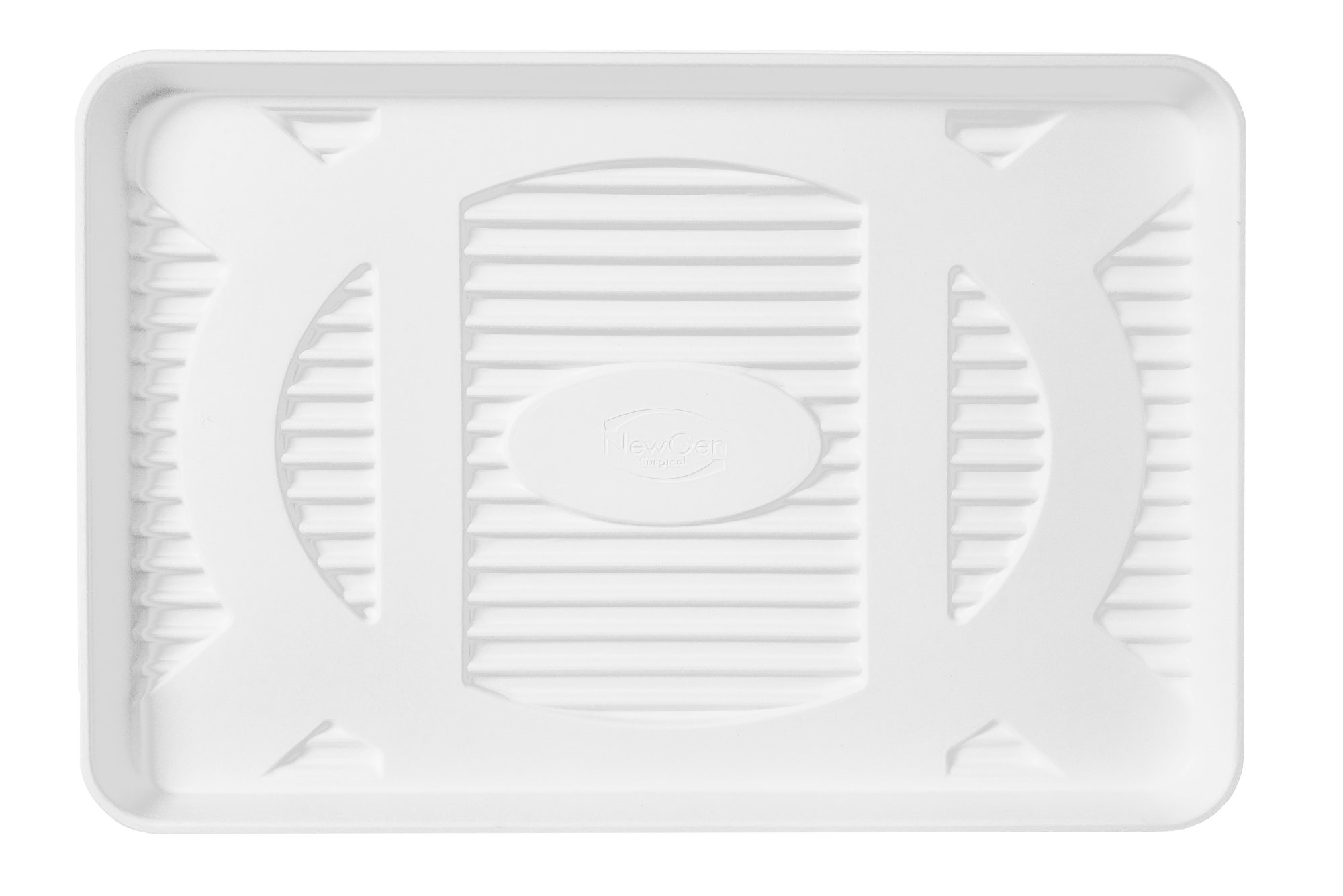
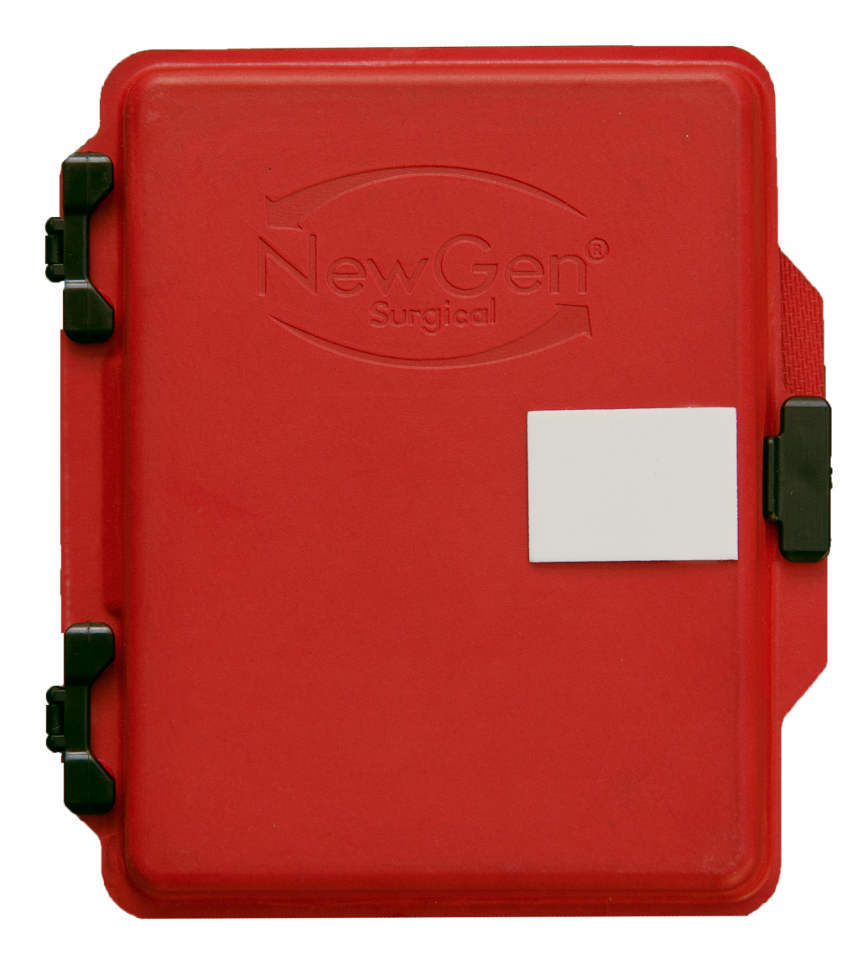
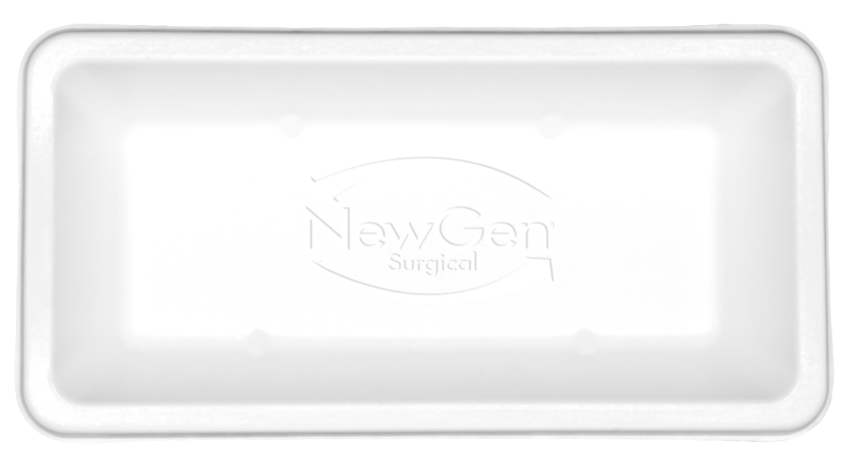
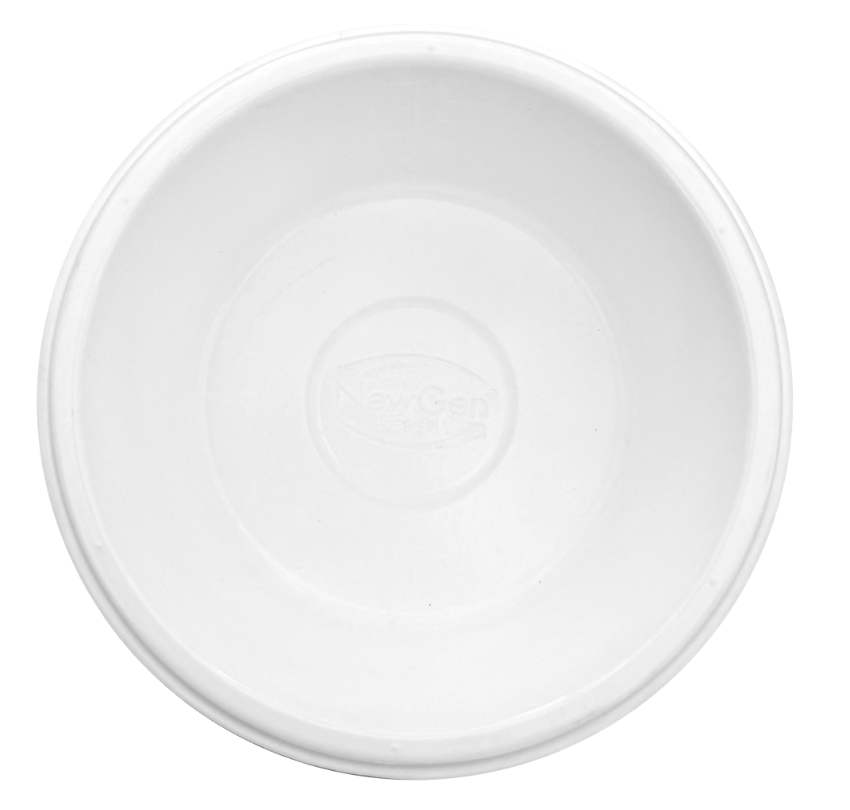
We deliberately design our products to integrate into existing surgical workflows and established procurement channels. Our sustainable sponge bowls, compartment trays, needle counters, and other surgical essentials are intended to perform the same critical functions as their conventional counterparts.
This is especially valuable in high-volume procedural environments, where even minor workflow changes can affect efficiency. By providing single-use alternatives, we also help facilities avoid the additional equipment utilization, staff time, and processing requirements associated with comparable reusable items.
From an executive perspective, this is about resource optimization. The strongest innovations improve the performance of existing systems while reducing unnecessary demands on them. Our customers can advance their sustainability objectives without sacrificing the operational investments they have already made.
What role do automation, digitalization, or intelligent technologies play in improving the efficiency of the operations you support?
Automation and digitalization are transforming healthcare operations, but we believe materials innovation deserves an equally important place in that conversation.
Technology is often associated with sophisticated equipment, software, or artificial intelligence. Yet some of the most consequential improvements in operational efficiency come from rethinking the fundamental materials and products used every day.
At NewGen Surgical, our core innovation is in materials science and product engineering. We are developing alternatives to conventional plastics that can be integrated into existing healthcare supply chains, including established surgical pack manufacturing and distribution systems.
As healthcare becomes increasingly data-driven, we see significant opportunities to connect sustainable procurement with digital inventory management, supply chain optimization, and environmental performance measurement.
The next generation of operational efficiency will come from combining intelligent technologies with more responsible material choices. Automation can make a process faster. Materials innovation can make the process fundamentally better. The greatest opportunity is when the two work together.
How do your solutions help customers reduce downtime, delays, or other disruptions within their operations?
In healthcare, operational reliability is essential. Delays and disruptions affect far more than productivity; they can influence procedure schedules, resource allocation, staff utilization, and ultimately the patient experience. Our products are designed around the principle that sustainability must never compromise operational readiness.
For reusable surgical products, cleaning and reprocessing are necessary safeguards, but they also introduce additional steps, turnaround requirements, and potential capacity constraints. Sustainable single-use alternatives eliminate these requirements for the products being replaced.
Our products can also be integrated into existing custom surgical packs, allowing healthcare professionals to continue working with familiar configurations and standardized preparation procedures. That consistency matters most in high-volume specialties such as ophthalmology, where procedural efficiency and predictable supply availability are critical.
From our perspective, the value proposition is straightforward: reduce unnecessary operational complexity while maintaining the reliability and performance that healthcare demands. The goal is not to change how clinicians practice medicine. It is to give them better tools to support the work they already do.
How important is data and real-time information in helping customers identify opportunities for improvement and make better operational decisions?
NewGen Surgical’s CMO Kimberlee Chase notes, “As a co-founder, my vision for NewGen Surgical has been to make sustainability part of how everyday medical products are conceived, evaluated, and brought to market—not an attribute added at the end.
Data is becoming one of the most powerful drivers of accountability in healthcare, particularly as organizations work to align financial performance, operational efficiency, and environmental responsibility.
At NewGen Surgical, we have always believed that sustainability must be measurable. Environmental claims should be supported by credible data, and purchasing decisions should be evaluated on tangible outcomes.
Our own progress demonstrates what is possible when sustainable product substitution is implemented at scale. As of July 2026, NewGen Surgical had delivered more than 15.4 million sustainable products globally, with company-reported cumulative impact estimates exceeding 1.2 million pounds of plastic eliminated and 1.17 million kilograms of CO₂e emissions avoided.
These figures represent more than environmental milestones. They demonstrate the cumulative impact of replacing conventional materials across millions of routine healthcare applications. We believe the next step is helping healthcare organizations connect purchasing volumes with measurable environmental outcomes, resource utilization, and operational performance.
How easily can customers integrate your solutions into existing processes and infrastructure while continuing their day-to-day operations?
Successful innovation in healthcare depends on adoption. And adoption depends on making change as practical and seamless as possible. When we founded NewGen Surgical, we recognized that one of the greatest barriers to sustainability would be the industry’s understandable reluctance to disrupt established clinical practices. Our strategy has been to address that barrier directly.
We engineer products that align with the form, functionality, and intended use of conventional surgical consumables, allowing healthcare organizations to introduce sustainable alternatives through existing workflows and procurement systems. Our work with leading surgical pack providers, including Alcon and Johnson & Johnson, demonstrates the importance of working within established healthcare supply chains.
For example, we have developed our plant-based compartment trays for ophthalmic surgical packs, allowing providers to replace conventional plastic components while maintaining familiar procedural configurations.
We have also invested significantly in material performance. Our fully waterproof compartment trays demonstrate that plant-based materials can be engineered to meet demanding clinical requirements, including exposure to fluids and moisture.
The real measure of innovation isn’t how dramatically it changes an existing process. It’s how effectively it delivers improvement without unnecessary disruption. That philosophy has guided NewGen Surgical from the beginning.
Can you share an example of a customer who achieved a significant improvement in productivity or operational efficiency through your solution?
Our work in ophthalmic surgery shows how sustainable innovation can be introduced into an established, highly efficient clinical environment.
Cataract surgery is one of the most frequently performed surgical procedures worldwide. It is a specialty where standardized surgical packs, predictable preparation, and consistent product performance are essential. Working within the ophthalmic supply chain, including our collaboration with Alcon, we developed sustainable compartment trays designed specifically for integration into existing surgical packs.
This required more than replacing plastic with a plant-based material. It involved years of product development, performance validation, and alignment with the requirements of established surgical pack systems. The result is a sustainable alternative that can perform the intended function of a conventional plastic tray without requiring clinical teams to fundamentally change their workflow.
The broader opportunity is substantial. When a single conventional plastic component is replaced across hundreds of thousands or potentially millions of procedures, the environmental benefits can become significant.
While customer-specific productivity improvements have not yet been publicly quantified, this approach demonstrates an important operational outcome: sustainable material substitution can be implemented without adding reprocessing steps or fundamentally disrupting established procedural workflows.
For us, this represents the future of scalable healthcare sustainability—making meaningful environmental progress through changes that are practical, clinically appropriate, and operationally efficient.
How do you help customers evaluate the impact of implementing your technology and identify further opportunities for improvement?
“From the beginning, we’ve shared a commitment to making sustainability practical for healthcare. I developed our Smart Sustainable Design framework to help translate that commitment into an approach that brings together material choices, clinical requirements, and customer needs. Across our team, the goal is to make sustainable alternatives easier to adopt within the systems healthcare already relies on,” states NewGen Surgical’s CMO, Kimberlee Chase.
We approach sustainability as a strategic business decision that must deliver measurable value. For healthcare executives, procurement leaders, and clinical stakeholders, adopting a new product requires confidence in performance, cost, reliability, and long-term operational impact.
Our role is to help customers evaluate sustainable alternatives through that broader lens. We begin by identifying high-volume plastic consumables where material substitution can deliver meaningful environmental benefits without compromising clinical requirements. From there, we work with customers and supply chain partners to evaluate product performance, integration requirements, procurement considerations, and potential opportunities for broader adoption.
Independent validation is an important part of that process. NewGen Surgical pioneered bringing USDA BioPreferred-certified products into the surgical consumables market. Our one- and two-compartment trays have achieved 87% certified biobased content, while our 250cc and 500cc sponge bowls have achieved 84%. This provides customers with independently verified material information rather than relying solely on marketing claims.
We also encourage organizations to look beyond the unit purchase price and consider the broader operational and environmental implications of their purchasing decisions. For reusable alternatives, this may include labor, cleaning, reprocessing, equipment utilization, and associated resource consumption. For conventional plastic disposables, this includes material sourcing, waste generation, and lifecycle emissions.
We believe the future of healthcare procurement will be defined by total value—not simply the lowest acquisition cost. Our objective is to help customers understand that value and identify where sustainable innovation can deliver the greatest impact.
As industrial operations become increasingly complex, which innovations do you believe will have the greatest impact on productivity and operational efficiency in the coming years?
“I believe one of the most important transformations ahead will be the convergence of advanced materials science, intelligent supply chains, and measurable sustainability. Healthcare has spent decades optimizing care delivery, but we have not applied the same level of innovation to many of the disposable products used in millions of procedures every day. That represents an enormous opportunity,” states CMO of NewGen Surgical, Kimbelee Chase.
Robert Chase, founder of NewGen Surgical, speaks on his personal experience and hardships witnessing the high rates of plastic waste in the operating room. “During my career in the medical device industry, including my experience at Johnson & Johnson, I witnessed firsthand the extraordinary volume of disposable materials moving through healthcare facilities. Much of that waste was simply accepted as an unavoidable consequence of delivering safe, efficient care.
I believed there had to be a better approach, and that conviction ultimately helped shape the vision behind NewGen Surgical. Today, advances in plant- and bio-based materials are allowing us to challenge long-standing assumptions about what medical products must be made from. We can now develop sustainable alternatives that deliver the functionality, moisture resistance, and reliability required in demanding clinical environments.
But material innovation alone is not enough. The real transformation will occur when these products are adopted at scale through established manufacturing, procurement, and distribution networks. I also believe healthcare organizations will increasingly recognize that environmental performance and operational performance are interconnected. Reducing unnecessary resource consumption, improving supply chain resilience, and eliminating avoidable waste are not simply sustainability initiatives. They are sound business strategies.”
The next era of healthcare innovation will not be defined solely by doing things faster or at a lower cost. It will be defined by doing them smarter—with better materials, more efficient systems, and a clearer understanding of long-term value.
At NewGen Surgical, we are demonstrating that the transition away from conventional plastics does not have to come at the expense of clinical performance or operational efficiency.
In fact, when approached thoughtfully, sustainability can become a catalyst for both.