
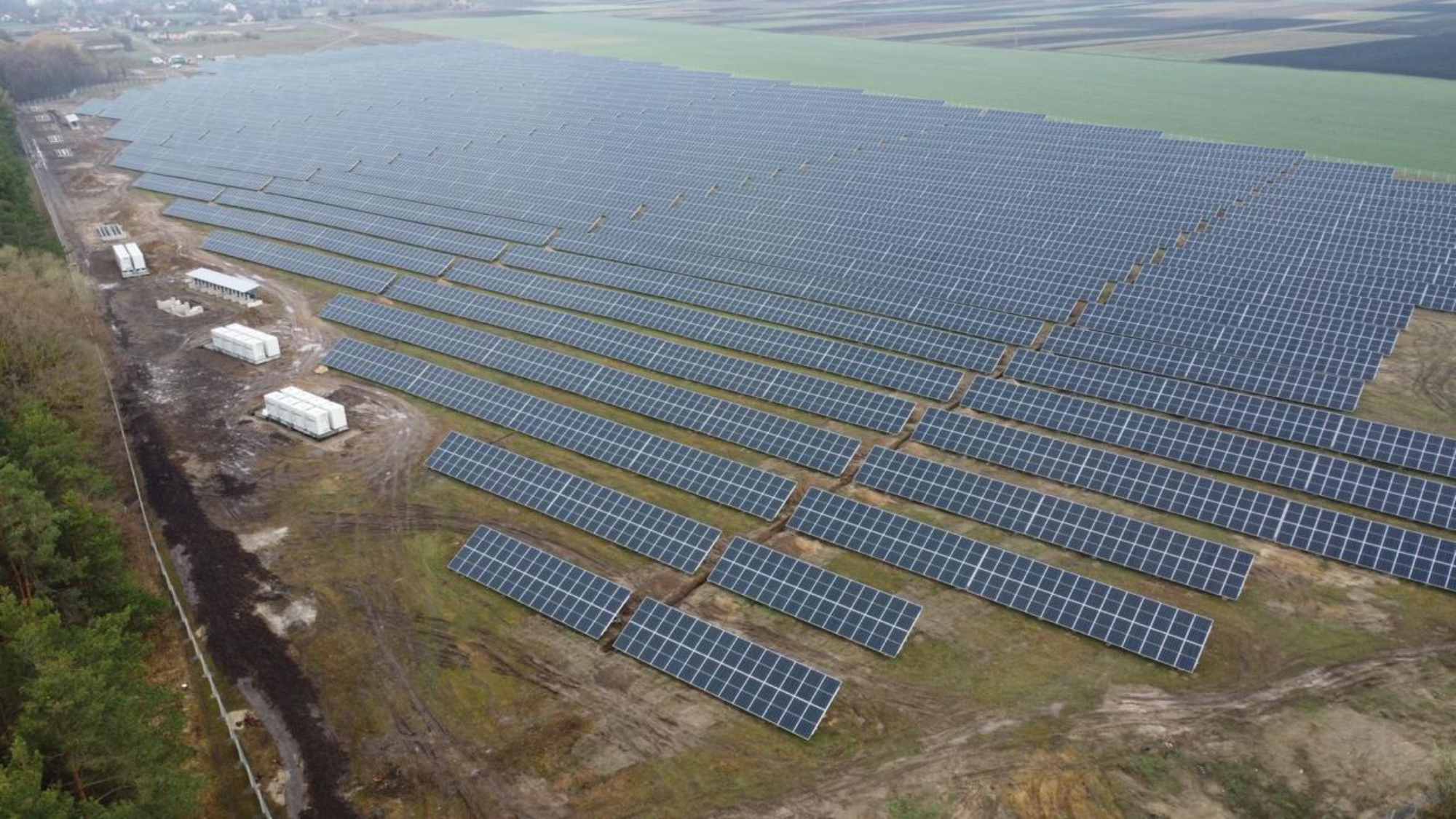
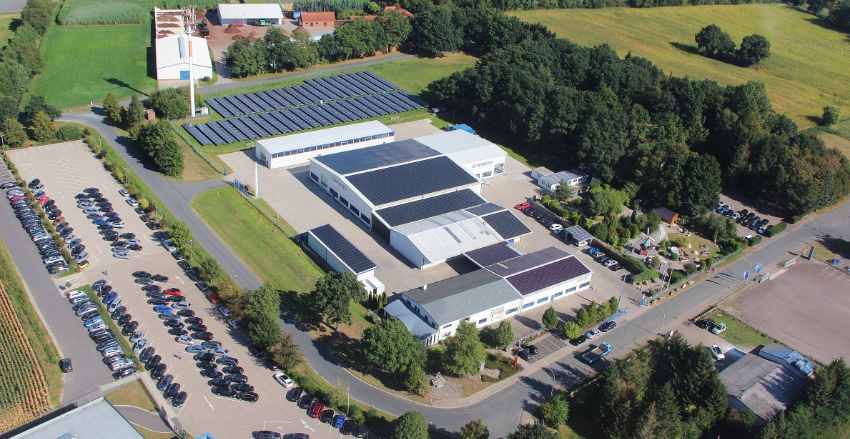
VENSYS Elektrotechnik is an internationally active company specializing in innovative and environmentally friendly energy solutions. Headquartered in Diepholz, Germany, the company employs around 110 people and is part of the globally operating Goldwind Group.
Its core activities include the development and delivery of customized system solutions for battery storage, solar, and wind energy applications. The portfolio comprises VENSTORE battery storage systems, full converter systems for efficient grid integration of renewable energy, as well as advanced control and switchgear technologies. VENSYS covers all project phases – from planning and development to commissioning and after-sales service – ensuring high quality, efficiency, and compliance with grid requirements.
In close cooperation with its parent company Goldwind, VENSYS is also responsible for the distribution of battery energy storage systems (BESS) and acts as the exclusive partner for the sales of Goldwind BESS solutions in the European market.
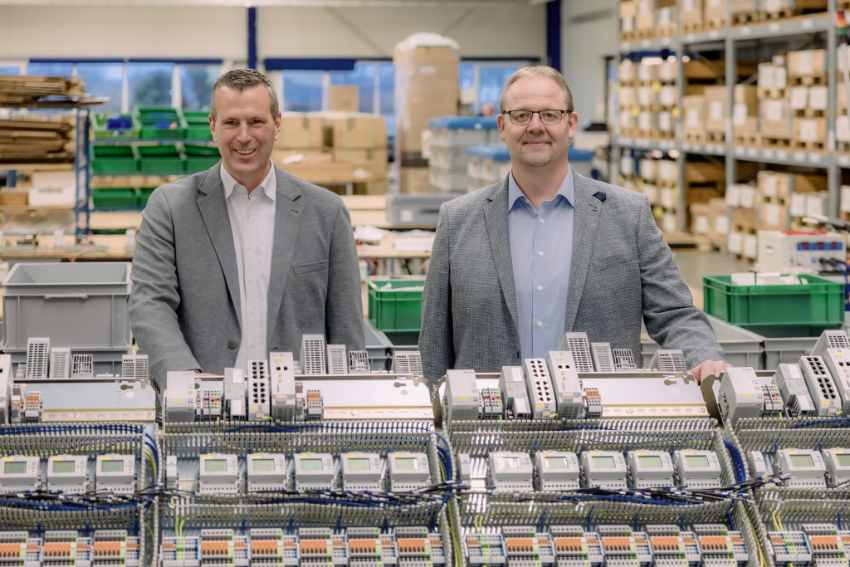
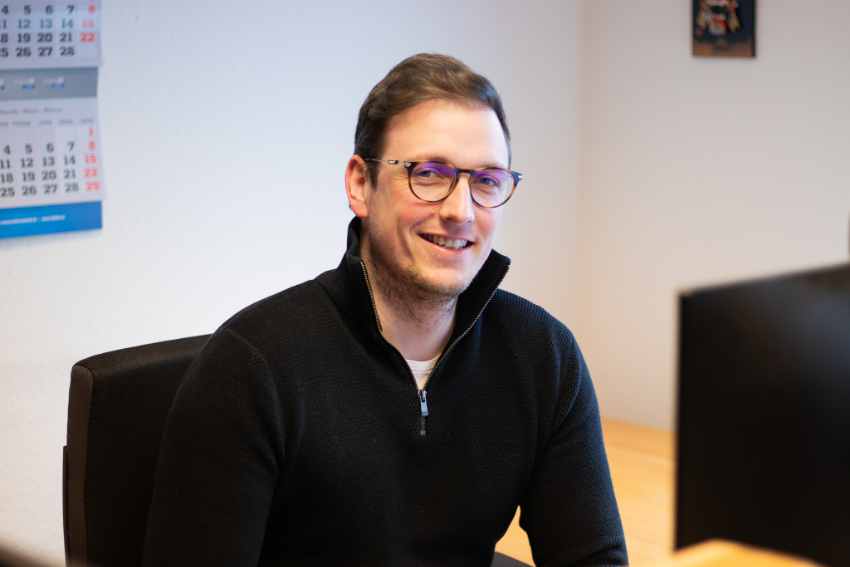
Interview with Alexander Schmies, Business Development Engineer at VENSYS Elektrotechnik
What are the main areas of activity of the company?
Alexander Schmies: VENSYS Elektrotechnik focuses on several key areas within the renewable energy sector. These include the development and production of battery storage systems, power electronics such as full converter technology for wind and solar applications, and rotor blade pitch systems for wind turbines.
Another important area is switchgear and control engineering, where the company provides tailored solutions for energy management, automation, and drive systems. In addition, VENSYS offers comprehensive project services covering design, engineering, manufacturing, commissioning, and long-term service and maintenance.
All activities are geared toward delivering efficient, grid-compliant, and reliable system solutions for modern energy infrastructure.
What’s the news about new products/services?
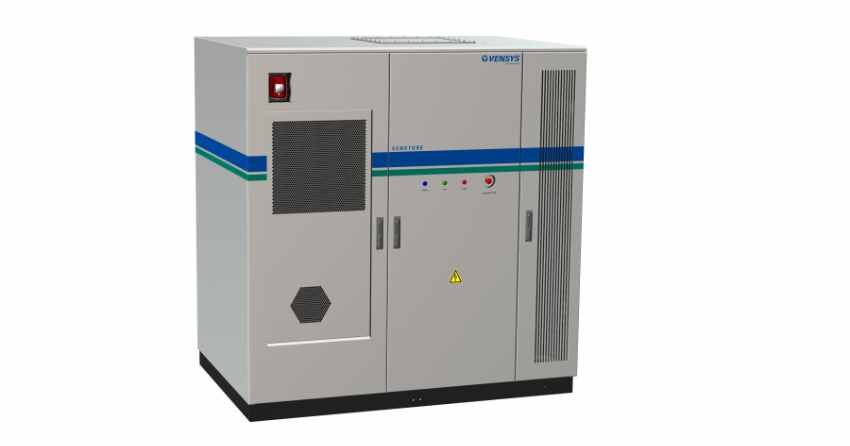
A.S: VENSYS Elektrotechnik is continuously advancing its product and service portfolio, with a strong focus on modern battery storage solutions and their integration into renewable energy systems. In particular, the company is further developing its VENSTORE battery storage systems, including enhanced system integration, optimized control technologies, and flexible applications for both grid-connected and stand-alone solutions.
In addition, there is an increasing focus on intelligent energy management systems (EMS), enabling more efficient control and optimization of energy flows. VENSYS is also expanding its service offerings, particularly in the areas of system monitoring, maintenance, and long-term operational support, to ensure maximum performance and reliability of installed systems.
What are the ranges of products/services?
A.S: VENSYS Elektrotechnik covers the complete project lifecycle for energy storage and hybrid energy systems — from first customer contact and conceptual design to site visits, detailed engineering, feasibility studies, EPC delivery, and long‑term service and maintenance contracts.
Our core products include Battery Energy Storage Systems (BESS), transformer skids, and advanced Energy Management Systems (EMS), all designed for grid‑compliant, scalable, and bankable projects.
What is the state of the market where you are currently active?
A.S: Market activity, particularly for front‑of‑the‑meter (FOM) BESS projects, remains very high. Grid connection requests and permitting volumes are increasing significantly, putting pressure on grid operators and extending project timelines.
At the same time, this strong demand underlines the structural need for flexibility. It creates a solid foundation for diverse BESS business models, including grid services, arbitrage, and hybrid applications — especially in markets with high renewable penetration.
What can you tell us about market trends?
A.S: Key market trends include:
- A shift toward lower C‑rates and longer-duration systems, driven by grid stabilization and revenue optimization requirements.
- Strong growth in multi‑use BESS, particularly for commercial & industrial (C&I) customers combining peak shaving, self‑consumption, backup power, and market participation.
- Increasing importance of intelligent EMS, forecasting, and cybersecurity as differentiators, not just hardware performance.
- A clear trend toward hybrid systems (BESS combined with wind or PV) to maximize grid connection value and overall project economics.
What are the most innovative products/services marketed?
A.S: Our most innovative solutions include:
- DC‑coupled wind turbines / PV systems and BESS systems, enabling higher efficiency, reduced conversion losses, and optimized grid interaction.
- Railway energy storage applications, supporting grid relief, regenerative braking energy utilization, and improved power quality.
- A fully integrated system approach: as a manufacturer and system integrator of all key components, we deliver complete, coordinated solutions — from power electronics and storage to EMS and grid interfaces — from a single source.
What estimations do you have for the beginning of 2026?
A.S: Entering early 2026, we expect:
Continued strong growth in BESS demand, particularly in Europe, driven by grid congestion, renewable expansion, and volatility in power markets.
A market shift from pure “fast‑response” systems toward economically optimized, multi‑hour storage, especially for FOM and hybrid projects.
Increased selectivity in project development: grid access, permitting readiness, and realistic timelines will become key success factors.
Greater focus on bankability, safety standards, and long‑term service concepts, favoring experienced suppliers with proven EPC and lifecycle capabilities.
Overall, the market remains highly dynamic, but the fundamentals for energy storage at the beginning of 2026 are clearly positive and structurally anchored in the energy transition.