
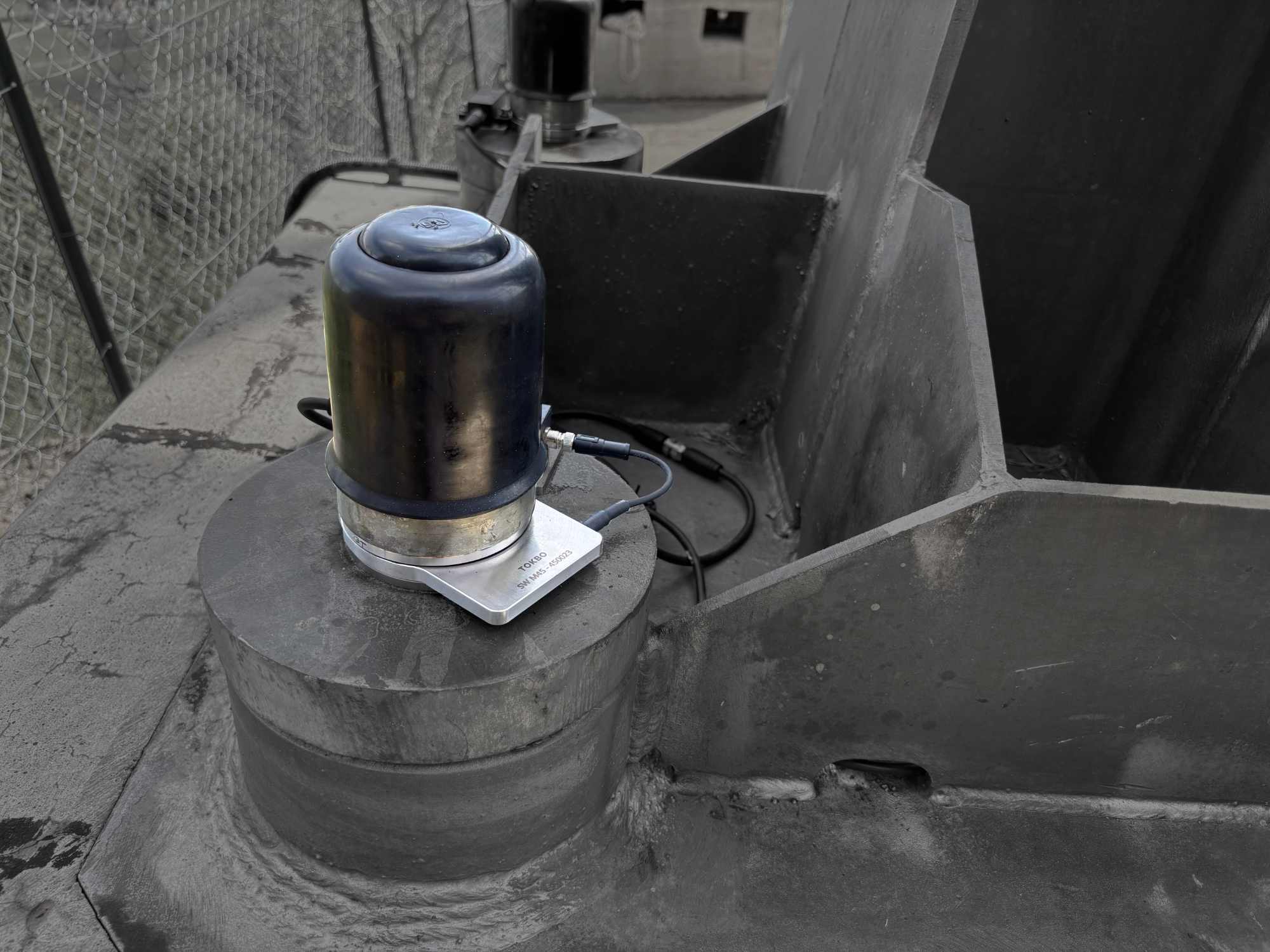
Tokbo, a spin-off of Italian fastening-solutions manufacturer Agrati Group, has developed a sensor-based monitoring system that turns bolted structural joints into real-time safety checkpoints. Already installed on more than 80 structures, including bridges, tunnels, cable cars, and amusement parks – the technology combines IoT sensors with AI-driven predictive algorithms to flag structural risks before they become failures.
We spoke with Ivan Moroni, CEO of Tokbo, about the company’s new Smart Washer retrofit sensor, market demand for non-invasive monitoring, and expansion plans into Chile and Japan.
A brief description of the company and its activities
Ivan Moroni: Tokbo is a spin-off of the Agrati Group, a leading Italian multinational manufacturer of fastening solutions for the automotive sector. Founded in 2021, it was created by combining the Group’s expertise with advanced IoT and artificial intelligence technologies.
Tokbo offers an innovative monitoring system to support predictive maintenance and safety for any structure equipped with bolted joints. Used on major construction, smaller infrastructure, and industrial facilities, this solution enables customers to monitor the health of their assets in real time, optimize maintenance costs, and enhance safety.
Tokbo has developed an integrated hardware-software ecosystem based on sensor-equipped bolts that transform structural joints into active measurement points. The devices collect data and transmit it to a proprietary platform, complemented by a technical support service that assists customers in both analyzing data and generating reports.
What are the main areas of activity of the company?
I.M: Tokbo operates in several key sectors: major infrastructure such as bridges and viaducts, tunnels, cable cars, and funiculars, as well as amusement parks, industrial facilities, and load-lifting systems.
The system stands out for its flexibility of application. Tokbo sensors are designed to be installed on both new structures and existing infrastructure, minimizing downtime during installation and offering Plug & Play functionality.
Tokbo Monitoring Service is a system that enables highway, railway, airport, and port operators to overcome the limitations of traditional visual inspections. The company’s mission is precisely to transform critical joints into sentinels, thereby increasing safety levels and reducing operating costs.
What’s the news about new products/services?
I.M: In a context of continuous innovation, Tokbo has launched the new Smart Washer, a universal sensor washer designed to expand the traditional scope of structural monitoring applications. Combining extraordinary flexibility of use with an engineered design, the sensor operates in retrofit mode directly on existing structures, overcoming installation constraints without the need for invasive structural modifications.
The Smart Washer can be applied to concrete anchor, to strands for monitoring prestressing systems, and to Dywidag bars used in retaining walls and protective barriers. This flexibility allows for the digital monitoring of infrastructure—such as bridges, viaducts, cable cars, and buildings—whether already in service or under construction.
What are the ranges of products/services?
I.M: The sensors, which are easy to install thanks to their Plug&Play design, are applied non-invasively.
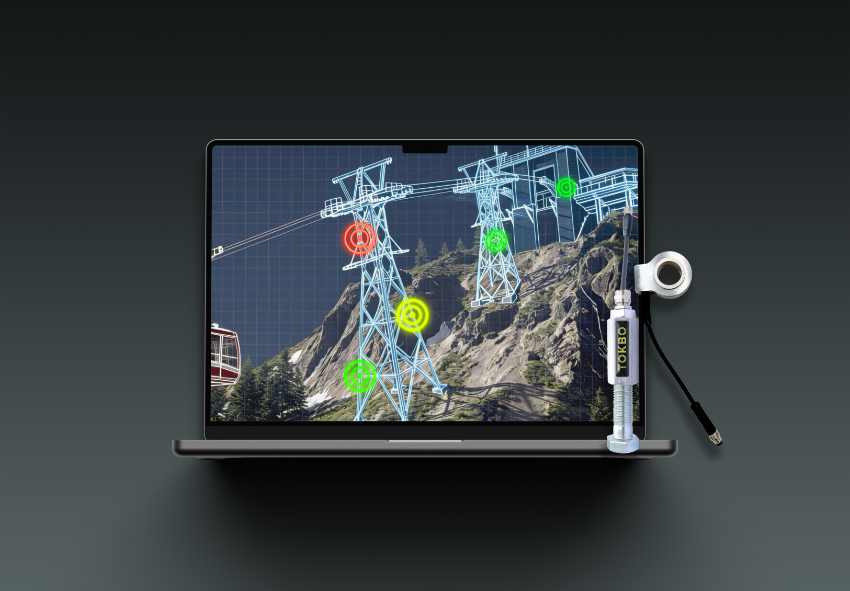
The system is capable of simultaneously detecting key parameters such as clamping force, tilt, acceleration, temperature, and vibrations. These key indicators can be correlated with one another to provide a detailed analysis of the structure. It is precisely this ability to correlate data that sets Tokbo apart from its competitors in the market.
The collected data is transmitted in real time via LTE to the Tokbo cloud platform, a user-friendly solution that can be easily integrated with the customer’s existing systems.
Once minimum thresholds have been set, automatic notifications are sent in the event of anomalies based on two severity levels, alerting the customer before structural problems occur. The company has also developed proprietary predictive algorithms using machine learning and AI, capable of detecting patterns and forecasting behavioral trends over time. To round out its offering, Tokbo provides a collaborative customer support service to help interpret the collected data and share periodic reports, ensuring the customer has a comprehensive and up-to-date overview of the facility’s condition. The activation of automatic alerts thus ensures active and constant safety while reducing operating costs.
What is the state of the market where you are currently active?
I.M: The predictive monitoring market is experiencing strong growth, driven by the increasing adoption of AI solutions designed to enhance safety levels and optimize costs. Today, customers are seeking smart solutions capable of combining maximum performance and reliability with continuous, personalized support. Demand is shifting toward non-invasive, smart, and plug-and-play solutions, reflecting an now indispensable need for digitalization, safety, and efficiency in infrastructure management.
To date, the company has equipped more than 70 structures—ranging from railways to subways, airports to amusement parks—with the Tokbo monitoring system, ensuring a superior level of safety.
What can you tell us about market trends?
I.M: Demand for predictive monitoring is rapidly increasing, driven by the urgent need to make our infrastructure safer and more resilient. Operators of aging infrastructure are now turning to IoT and AI solutions to overcome the limitations of traditional inspections, optimize operating costs, and plan predictive maintenance based on real-time data.
In a context marked by increasingly extreme weather events and ever-stricter regulatory requirements, digitizing existing structures using Plug&Play technologies is now a priority that can meet the needs of facility managers.
What are the most innovative products/services marketed?
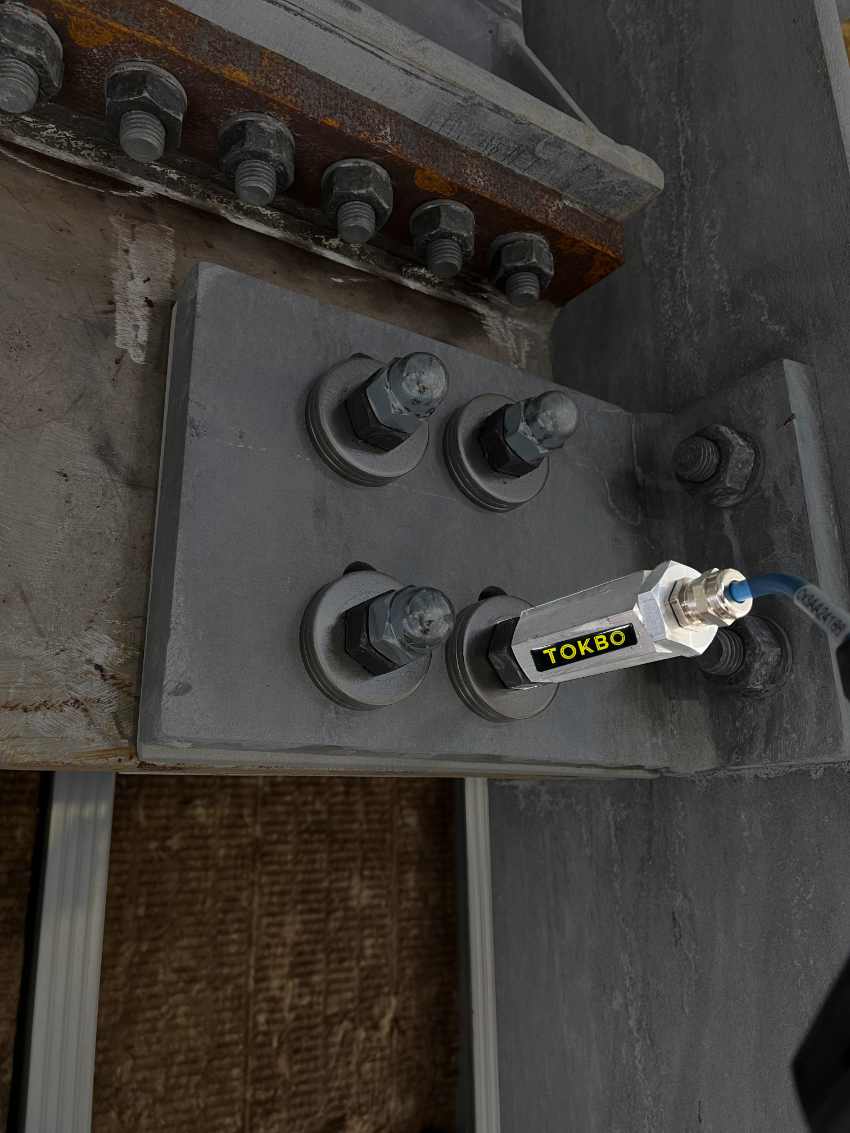
I.M: Our innovative hardware solution consists of three different sensors: the Smart Bolt, a universal solution for standard bolted joints; the Smart Washer, ideal for applications that are already grouted or for easy retrofitting; and the wireless node, a modular architecture with multi-technology wireless communication.
Our devices stand out for their compact size, quick installation without invasive structural modifications, and multi-parameter capabilities.
Data is also sent to our proprietary platform, which is based on a hierarchical architecture and features easily accessible time series data. The integrated alert and warning system notifies the customer before structural damage occurs.
What estimations do you have for the second half of 2026?
I.M: Tokbo anticipates continued growth over the next few years, both domestically and internationally. In Italy, where the company already has more than 80 systems installed, it plans to expand into the following sectors:
- Airports
- Ropeway transportation
- Amusement parks
Abroad, the company has already begun negotiations and plans to continue installing sensor systems in Chile and Japan, where it has already completed several installations.
Strategic partnerships and participation in national and international trade events continue as part of efforts to expand the company’s offerings.
The company positions itself as the ideal strategic partner for ensuring safety through data-driven monitoring systems and predictive maintenance.